






Welcome to this Ultimate Philippines Travel Guide for Families, a guide that is especially meaningful to me because it is about my home country.
Born and raised in the Philippines, I’ve spent my life exploring its islands, cities, mountains, and hidden corners. While the Philippines is often known for its beautiful beaches and tropical destinations, what I hope visitors experience is so much more than that. It’s the warmth of the people, the strong sense of community, the rich culture, and the simple moments.
In many ways, this guide feels less like a typical travel blog and more like a personal mission. I want to help families discover not only the places that make the Philippines special, but also the stories, traditions, and experiences that make it feel like home.
The Philippines offers a unique mix of world-class islands, family-friendly destinations, incredible food, and meaningful experiences for all ages. With more than 7,000 islands to explore, every family can find their own version of paradise — relaxing on a quiet beach, exploring nature together, or immersing yourselves in local culture.
This guide brings together everything I’ve learned through years of traveling around the country, from the best destinations and practical travel tips to sample itineraries, budgeting advice, and family-friendly recommendations. My hope is that it helps you plan a trip filled with unforgettable memories and gives you a deeper appreciation for the beauty, culture, and people of the Philippines.
Why Visit the Philippines as a Family?
Having traveled to different countries around the world, I’ve come to appreciate just how unique the Philippines truly is. While many destinations offer beautiful scenery or famous attractions, the Philippines stands out because of its people. The warmth, hospitality, and genuine kindness of Filipinos are what make the country special and often leave the biggest impression on visitors.
It’s something I sometimes took for granted growing up. But after experiencing different cultures and destinations, I’ve realized that the welcoming nature of Filipino communities is one of the country’s greatest assets. Families, especially those traveling with children, often notice this right away—from locals smiling at kids to restaurant staff going out of their way to help parents.
The Philippines is also one of the most family-oriented countries in Asia. Children are warmly welcomed almost everywhere. Restaurants, resorts, malls, and attractions are generally accommodating to families, making travel easier and less stressful compared to destinations where family facilities may be limited or children are expected to stay quiet and out of the way.
Families love traveling in the Philippines because it offers:
- Beautiful beaches and tropical islands
- Affordable family-friendly vacations
- English widely spoken throughout the country
- Warm, welcoming, and child-friendly culture
- Easy access to nature, wildlife, and outdoor adventures
- Rich cultural experiences and local traditions
- A wide variety of destinations suited for different travel styles
Best Time to Visit the Philippines
The Philippines has a tropical climate and experiences two primary seasons: the dry season and the wet (rainy) season. Because the country sits near the equator, temperatures remain warm and humid throughout the year.
I generally recommend visiting during the dry season, especially for families visiting multiple destinations. The country’s biggest attractions — its beaches, islands, mountains, and outdoor experiences are simply easier to enjoy when the weather is on your side. It also makes transfers between destinations smoother and more predictable. Since many Philippine itineraries involve flights, ferries, boat rides, and road trips, avoiding heavy rain can make a huge difference in the overall travel experience.
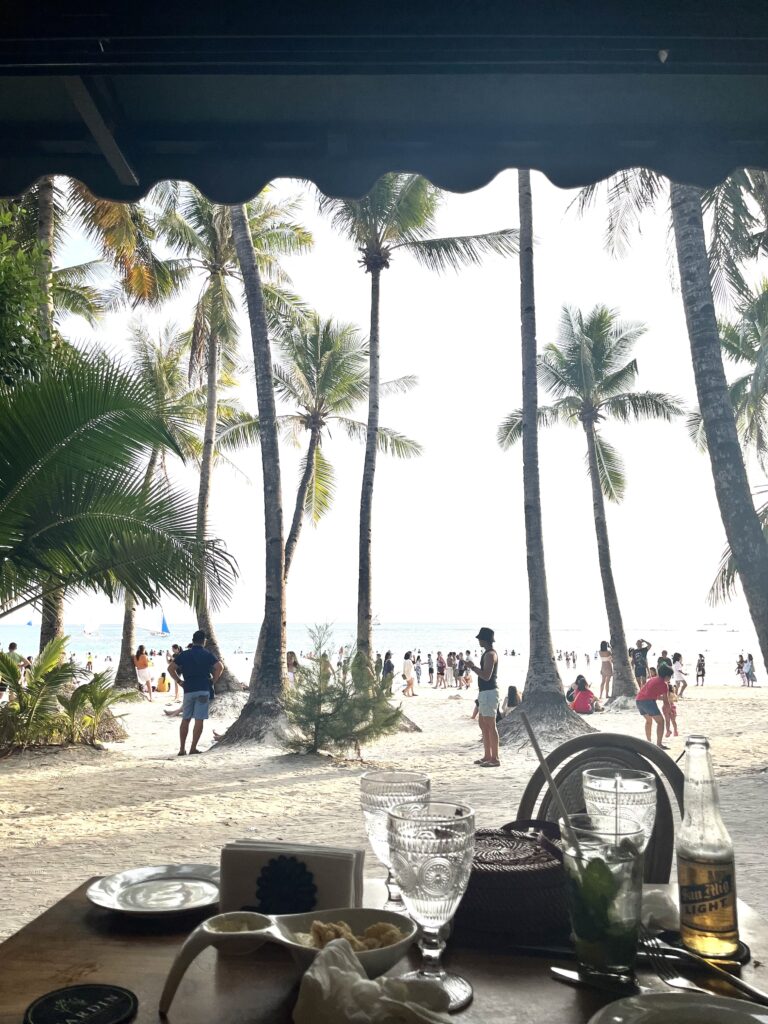
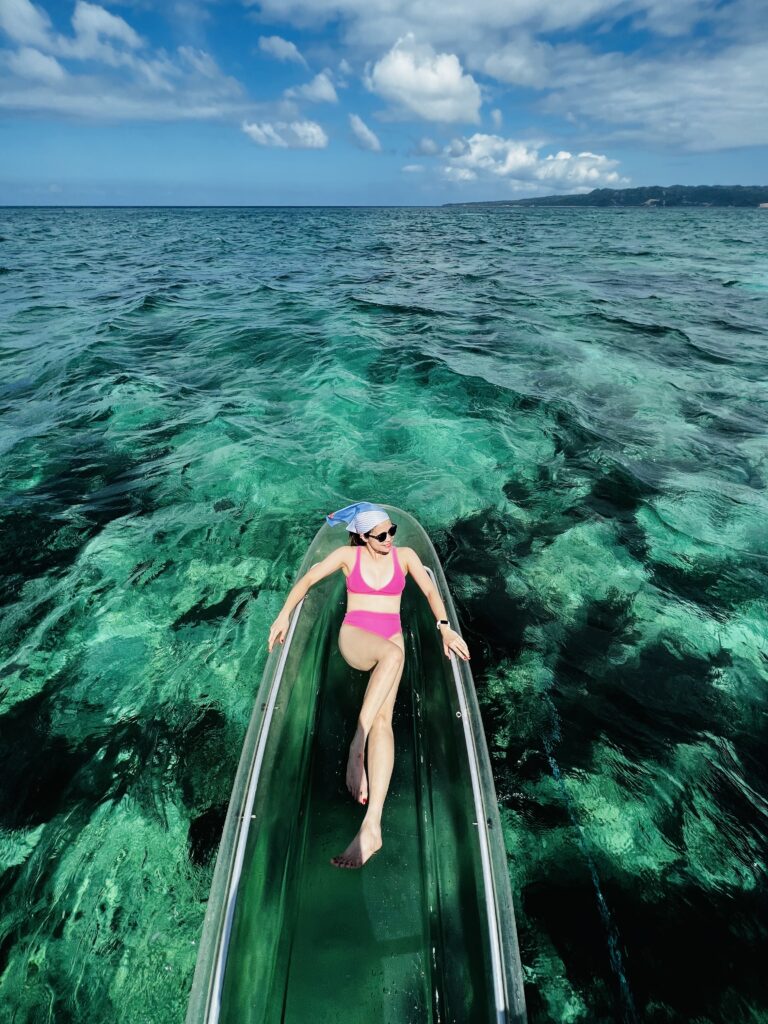
If you’re visiting for the first time, I recommend planning your trip between February and April. In my experience, these months often offer the most stable weather conditions, making them ideal for exploring destinations such as Palawan, Boracay, Bohol, Cebu, and many other islands.
Advantages
- Sunny weather
- Better beach conditions
- Easier island hopping
- More outdoor activities
Entry Requirements
Requirements vary depending on nationality.
Before traveling:
- Valid Passport: Your passport should be valid for at least six months beyond your planned departure date from the Philippines.
- Return or Onward Travel Ticket: Travelers are generally required to show proof of a confirmed flight leaving the Philippines.
- eTravel Registration: All arriving passengers must complete the required health and customs declaration through the official eTravel portal within 72 hours before arrival.
- Proof of Financial Means: Immigration officers may ask for supporting documents, such as bank statements, employment certificates, or a guarantee letter, to demonstrate that you can financially support your stay.
- Visa Requirements: Check whether your nationality requires a visa before traveling, as entry requirements vary by country.
Travel requirements may change, so always verify before departure.
How to Get Around the Philippines
Transportation in the Philippines largely depends on where you’re traveling. Unlike some countries with extensive and integrated public transportation networks, the Philippines has different transport systems across its islands, provinces, and cities. As a result, you’ll often need to research the best transportation options for each destination on your itinerary.
The good news is that there are plenty of ways to get around, ranging from domestic flights and ferries to local transport commonly used by residents.
Domestic Flights
Because the Philippines is made up of more than 7,000 islands, domestic flights are often the fastest and most convenient way to travel between major destinations. Popular routes include:
- Manila to Cebu
- Manila to Bohol
- Manila to Boracay (via Caticlan or Kalibo)
- Cebu to Palawan
For families, booking flights several months in advance can often lead to significant savings.
Ferries
Ferries are a common way to travel between nearby islands and can sometimes be a more affordable alternative to flying. Popular routes include:
- Cebu to Bohol
- Iloilo to Bacolod
- Batangas to Puerto Galera
If you’re traveling with young children, consider booking premium or air-conditioned seating for added comfort.
Private Transfers
For families with children, luggage, or limited time, private transfers are often the most convenient option. Benefits include:
- Door-to-door transportation
- Flexible schedules
- More comfortable travel experience
- Less hassle when traveling with young kids
Ride-Hailing Apps
In major cities such as Manila, Cebu, and Davao, Grab is widely used and often the easiest way to get around. Advantages include:
- Fixed pricing
- Cashless payment options
- Easy booking through the app
- Generally more convenient than hailing taxis
Jeepneys
Jeepneys are one of the most iconic forms of transportation in the Philippines. They operate on fixed routes and are an affordable way to travel short to medium distances within cities and towns.
While they offer a unique local experience, they can be crowded and may not always be the most comfortable option for families with small children or lots of luggage.
Tricycles
Tricycles are commonly used for short trips within towns, villages, and smaller tourist destinations. They are particularly useful for:
- Short-distance travel
- Reaching hotels or attractions not served by larger vehicles
- Getting around beach towns and provincial areas
Fares are usually inexpensive, though it’s a good idea to agree on the price before starting your journey if there is no posted rate.
My Personal Advice for Families
When planning a family trip to the Philippines, don’t assume transportation will work the same way in every destination. What works in Manila may be completely different in Palawan, Bohol, or Siargao.
I usually recommend keeping travel days simple, allowing extra time for transfers, and prioritizing convenience over squeezing too many destinations into one trip. The Philippines rewards slower travel, and families often enjoy the experience more when they spend less time moving and more time exploring.
Best Family-Friendly Destinations in the Philippines
Before diving into specific destinations, it helps to understand how the Philippines is geographically organized. The Philippines is an archipelago made up of more than 7,000 islands and is divided into three main island groups:
Luzon (Northern Philippines)
Luzon is the largest island group and home to Manila, the country’s capital city. It is the main gateway for most international visitors and offers a mix of urban attractions, cultural sites, mountains, and beach destinations.
Visayas (Central Philippines)
Located in the middle of the country, the Visayas is home to many of the Philippines’ most famous islands and beaches, including Cebu, Bohol, and Boracay. This region is particularly popular for island hopping, marine activities, and tropical getaways.
Mindanao (Southern Philippines)
Mindanao is the southernmost major island group and is known for its diverse landscapes, rich culture, outdoor adventures, and vibrant cities such as Davao.
One thing first-time visitors often don’t realize is that many of the destinations featured in this guide are located on completely different islands. Traveling between them may require domestic flights, ferries, or a combination of both. Because of this, I generally recommend choosing destinations that are close to one another rather than trying to see everything in a single trip.
Below are some of the most popular family-friendly destinations in the Philippines. We’ll be creating dedicated destination guides for each of these locations to help you plan your trip in more detail.
| Destination | Island Group | Best Known For | Ideal For |
|---|---|---|---|
| Boracay | Visayas | White-sand beaches and family-friendly resorts | Families with young children and first-time visitors |
| Bohol | Visayas | Nature, wildlife, beaches, and countryside experiences | Families who enjoy nature and outdoor activities |
| Cebu | Visayas | Beaches, history, island hopping, and diverse attractions | Families looking for variety |
| Palawan | Luzon | Stunning islands, lagoons, and adventure experiences | Families with older children and adventurous travelers |
| Baguio | Luzon | Cool climate, parks, and mountain scenery | Families seeking a break from tropical weather |
| Tagaytay | Luzon | Volcano views, restaurants, and weekend escapes | Families looking for a quick getaway from Manila |
| Davao | Mindanao | Nature parks, culture, and outdoor attractions | Families wanting to explore Southern Philippines |
Each destination offers a completely different experience, which is one of the reasons family travel in the Philippines is so rewarding. Whether you’re looking for world-class beaches, cooler mountain destinations, wildlife encounters, cultural experiences, or outdoor adventures, there’s a destination that fits every family’s travel style.
Best Things to Do in the Philippines with Kids
One of the reasons the Philippines is such a great family destination is the variety of experiences available. Beyond its beautiful beaches, families can enjoy wildlife encounters, cultural attractions, outdoor adventures, and water-based activities suitable for different ages and interests.
Enjoy the Philippines’ Beautiful Beaches and Islands
No family trip to the Philippines is complete without spending time by the sea. The country is home to some of the world’s most beautiful beaches, from Boracay’s powdery white sand to the crystal-clear waters of Palawan and the family-friendly shores of Bohol and Cebu.
Popular beach experiences include:
- Relaxing on white-sand beaches
- Island hopping between tropical islands
- Swimming in calm, shallow waters
- Snorkeling and discovering marine life
- Watching spectacular sunsets
- Family boat tours and coastal adventures
Experience Wildlife and Nature
The Philippines offers plenty of opportunities for children to connect with nature and encounter wildlife up close.
Popular experiences include:
- Visiting the famous tarsiers in Bohol
- Exploring butterfly gardens
- Discovering marine sanctuaries
- Bird watching and wildlife parks
- River cruises and eco-tours
Enjoy Water Activities
With thousands of islands surrounded by warm tropical waters, it’s no surprise that water activities are a major part of the Philippine travel experience.
Families can enjoy:
- Swimming
- Snorkeling
- Kayaking
- Paddleboarding
- Boat tours
- Island excursions
Discover Filipino Culture
Traveling in the Philippines also provides opportunities to learn about the country’s rich history, traditions, and diverse cultural heritage.
Families can explore:
- Museums
- Historic landmarks
- Heritage towns
- Local festivals
- Traditional Filipino cuisine
Explore the Great Outdoors
For families who enjoy adventure and nature, the Philippines offers countless opportunities to explore beyond the beaches.
Popular outdoor activities include:
- Visiting waterfalls
- Hiking family-friendly trails
- Exploring mountain viewpoints
- Nature walks
- Scenic river cruises
One of the things I personally enjoy most about traveling around the Philippines is how easy it is to combine these experiences into a single trip. In many destinations, families can spend the morning exploring nature or cultural sites and the afternoon relaxing on a beautiful beach, creating a well-balanced and memorable family vacation.
Family Packing List for the Philippines
The Philippines has a warm tropical climate year-round, so packing is generally simple. The checklist below covers the essentials most families will want to bring for a comfortable trip.
| Category | Essentials | Recommended Items |
|---|---|---|
| Clothing & Footwear | Lightweight clothing, comfortable walking shoes, swimwear, sandals, light rain jacket | Travel-friendly clothing, quick-dry shirts, water shoes |
| Sun Protection | Sunscreen, hats, sunglasses | Reef-safe sunscreen, UV hats, children’s sunglasses |
| Beach Essentials | Beach towels, dry bag, waterproof phone pouch | Dry bags, waterproof cases, beach mats |
| Family Travel Essentials | Reusable water bottles, snacks, portable charger, travel documents | Insulated water bottles, power banks, packing cubes |
| Health & Safety | First aid kit, medications, insect repellent | Travel first aid kits, mosquito repellent |
| Electronics | Chargers, adapters, cameras, tablets | Universal travel adapters, portable chargers |
| Babies & Toddlers | Diapers, wipes, formula, baby carrier, stroller | Lightweight strollers, ergonomic baby carriers |
| Entertainment for Kids | Books, coloring supplies, travel games, headphones | Travel activity kits, children’s headphones |
Tip: You don’t need to overpack for the Philippines. Major cities and most tourist destinations have supermarkets, pharmacies, and convenience stores where you can easily purchase forgotten items or replenish supplies during your trip.
Below are some of our favorite family travel essentials that have made our own trips easier and more enjoyable.
Practical Tips for Family Travel in the Philippines
- Plan your itinerary in advance. The Philippines is made up of more than 7,000 islands, and many popular destinations are located far from one another. Consider focusing on one island or region at a time rather than trying to see everything in a single trip.
- Travel slower. Avoid packing too many destinations into your itinerary. Allow time for rest, beach days, and unexpected discoveries along the way.
- Book flights early. Domestic flights can be significantly cheaper when booked in advance, especially during peak travel seasons.
- Stay flexible with your plans. Weather can affect outdoor activities, boat tours, and transfers, so having backup options is always helpful.
- Practice common travel safety. Filipinos are generally warm, welcoming, and helpful, but it’s still important to stay aware of your surroundings and keep an eye on your belongings, just as you would in any other country.
- Research transportation fares. In some tourist areas, visitors may occasionally be quoted higher fares. It’s helpful to check typical rates beforehand or confirm prices before starting your journey.
- Carry some cash. While digital payments are becoming more common, cash is still widely used in smaller towns, local markets, and island destinations.
- Support local businesses. Consider dining at local restaurants, booking local tours, and shopping from local vendors. It’s a great way to support communities while enjoying a more authentic travel experience.