


If you’re looking for the ultimate Singapore travel guide for families, we hope this gives you a helpful mix of the places you’ll want to see and a few practical details we’ve picked up along the way. Singapore has been a meaningful place for us because we lived there for about four years, so this guide also reflects some of our own experiences of everyday life there.
We got to know Singapore not just through its popular attractions, but through regular MRT rides, meals at hawker centres, neighborhood coffee shops, and the little routines that come with living in a city. Over time, we also learned which areas were convenient to stay in, which places were worth making time for, and which experiences felt more suited to locals than tourists.
Of course, living somewhere and visiting as a tourist are two very different things. There are places we loved as residents that may not be a priority for a short holiday, and there are attractions we still think every first-time visitor should experience.
So we’ve put this guide together with a mix of both perspectives: the essential Singapore highlights, along with a few practical tips and personal insights from our years of living there. Hopefully, it helps you plan your trip a little more easily and experience Singapore beyond just the usual checklist.
Important Information Before You Plan Your Trip
Before diving into the fun stuff, here’s the practical foundation every good Singapore travel guide should start with.
How to Get to Singapore From the US and From Manila
From the United States: Singapore Airlines offers nonstop flights to Singapore Changi Airport from several major U.S. cities, including Los Angeles (LAX), New York (JFK/Newark), San Francisco (SFO), and Seattle (SEA). Flight times vary by departure city, with the Los Angeles–Singapore journey taking approximately 16.5–17.5 hours and the New York–Singapore nonstop taking around 19 hours.
If you’d prefer to break up the long journey, one-stop flights via cities such as Tokyo, Seoul, or Hong Kong are also available on various airlines. These can sometimes offer lower fares, although total travel time will depend on the connection and layover.
From Manila: Philippine Airlines, Cebu Pacific, Scoot, and Singapore Airlines all fly nonstop between Manila (MNL) and Singapore (SIN), with a flight time of roughly 3 hours and 30 minutes to just under 4 hours. There are multiple flights a day, so it’s an easy weekend-trip distance — something we took full advantage of when we lived there.
Visa Requirements: Singapore allows visa-free entry for short-term tourist visits for passport holders from many countries, including the Philippines and the United States. The permitted length of stay depends on your travel documents and the immigration approval granted upon arrival. Before travelling, check the latest requirements on Singapore’s official Immigration & Checkpoints Authority (ICA) website.
Language
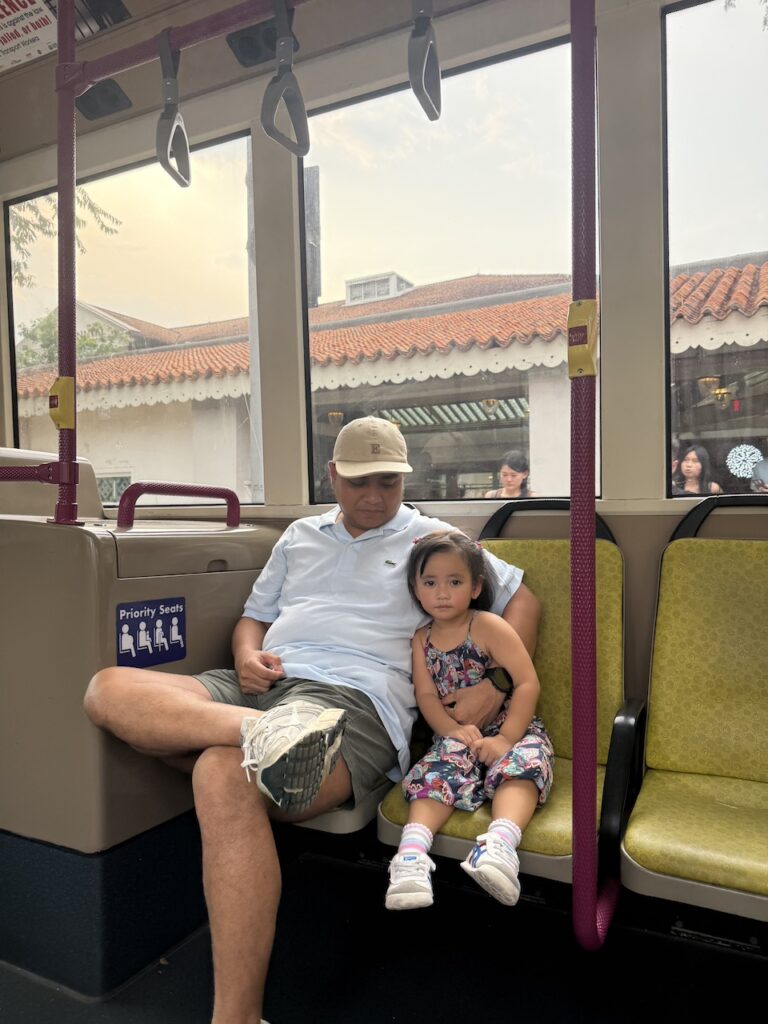
English is the primary language of business, government, and everyday signage in Singapore, so you won’t have any trouble getting around. You’ll also hear Mandarin, Malay, and Tamil regularly — Singapore’s four official languages — plus “Singlish,” the local colloquial blend of English with Malay, Hokkien, and Tamil expressions.
Payment Methods
Singapore is one of the most cashless-friendly cities in Southeast Asia. Contactless credit and debit cards (Visa, Mastercard) are accepted almost everywhere, including on public buses and the MRT — you can literally tap your foreign contactless card at the fare gate instead of buying a transit card. Mobile wallets like Apple Pay and Google Pay work in most malls and chain restaurants. We’d still recommend carrying some cash for hawker centres, wet markets, and smaller neighborhood stalls, where card readers aren’t always available.
Currency
The local currency is the Singapore Dollar (SGD). ATMs are everywhere and reliable, and currency exchange booths in places like Little India (along Serangoon Road) or Chinatown often give better rates than the airport kiosks. As a rough budgeting note, a hawker meal typically costs S$4–S$8, while a mid-range restaurant dinner for two runs S$60–S$100+.
Best Months to Visit
Singapore sits just above the equator, so it’s hot and humid year-round — there’s no real “off season” temperature-wise. The driest, most pleasant stretches tend to fall between February and April, right after the northeast monsoon season tapers off. December to early January brings the wettest weather along with the busy year-end holiday crowds, so if you can, aim for the first few months of the year for slightly less rain and thinner crowds outside of Chinese New Year travel spikes.
The Ultimate Singapore Travel Guide to Where You Should Stay
Best Areas and Spots to Stay in Singapore
Singapore is compact, so nowhere is truly “far,” but your base still shapes your trip. Here’s our area-by-area breakdown.
Green Line (East-West Line): local neighborhoods with easy airport access. This is the line we lived along, and the one we’d point most travelers to first. It runs from Changi Airport through the city center, so there are no train changes between your hotel and your flight. Lavender, Eunos, Paya Lebar and Tiong Bahru are all on it. We lived in Eunos and Paya Lebar. Eunos was quiet and residential, near Geylang Serai Market and a genuinely local Malay-Singaporean slice of life. Paya Lebar felt like a commercial hub, with Paya Lebar Quarter at the doorstep and a Circle Line interchange. We also love Tiong Bahru for its art deco shophouses, indie cafés and hawker centre, all at a slower pace than the tourist core.
Orchard Road: shopping and city-center convenience. Lined with malls like ION Orchard, Ngee Ann City and Paragon, and packed with dining from food courts to fine dining, Orchard suits travelers who want everything walkable and MRT-connected.
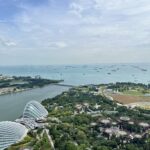
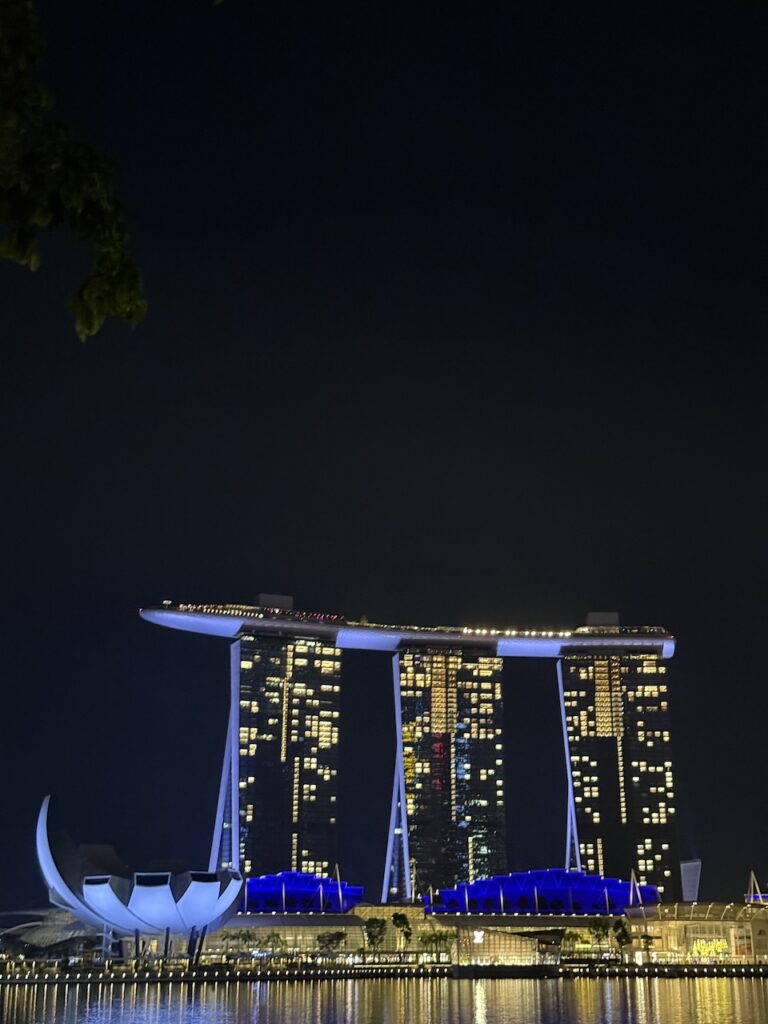
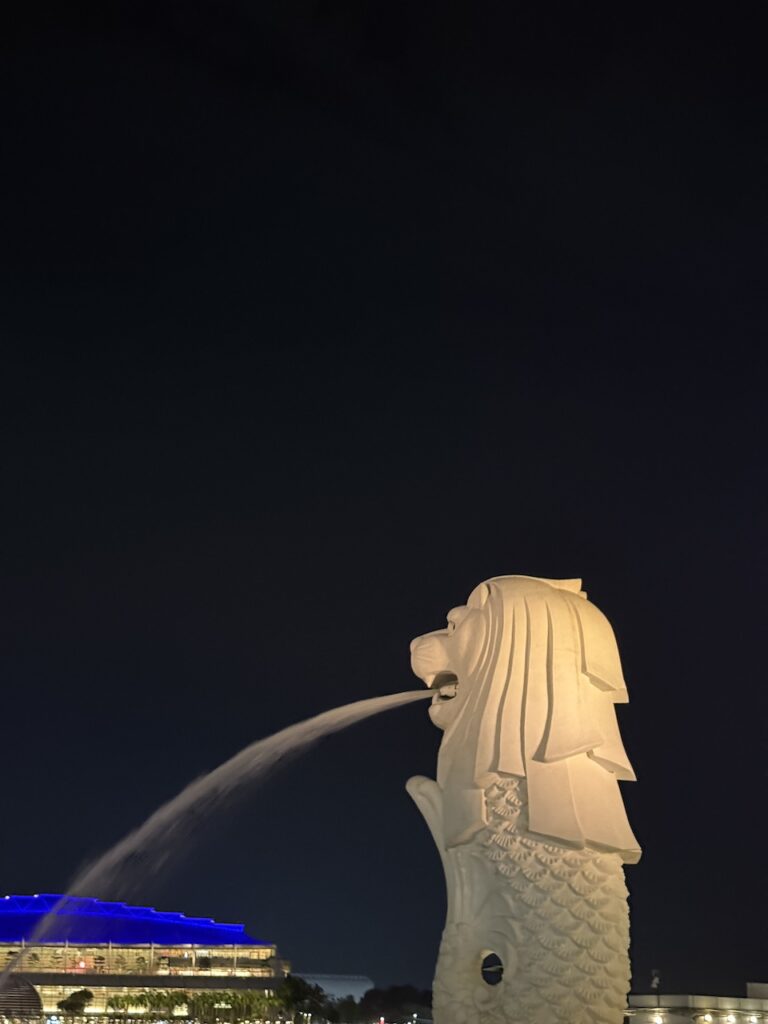
Marina Bay: world-class sights and high-end dining. This is the postcard Singapore: Marina Bay Sands, the Merlion, Gardens by the Bay and the ArtScience Museum, plus top restaurants and rooftop bars. You can walk to the Supertree Grove light show at night. It’s pricier and more polished than lived-in, so it suits short trips and special occasions.
Sentosa: a resort-style beach getaway or theme-park trip. Home to Universal Studios Singapore, S.E.A. Aquarium and beach resorts, it’s ideal for a relaxing, self-contained holiday. It’s less ideal for first-timers who want mainland culture and hawker food, since every trip into town takes time. We’d treat it as an add-on for families with young kids, not your only base.
Recommended Hotels by Area
Where we’ve actually stayed:
- Mercure Singapore Tyrwhitt (Lavender/Jalan Besar area) — A convenient option outside the main tourist core, with Bendemeer MRT about a 6-minute walk away and Lavender MRT around 10–15 minutes on foot. Mustafa Centre is also nearby and open 24 hours, which can be handy when travelling with kids. We liked how central the area felt without having to stay along Orchard Road.
- Grand Mercure Singapore Roxy (Katong/East Coast) — Located right beside Marine Parade MRT on the Thomson-East Coast Line, with easy access to Katong, Joo Chiat, and the city. East Coast Park is just a short walk away, making it a nice option for families who want to mix city sightseeing with a more relaxed beach-and-bike afternoon. Changi Airport is also around a 15-minute drive in typical conditions.
Orchard Road
- JEN Singapore Orchardgateway — best for shopping + MRT convenience
- Grand Hyatt Singapore — upscale, central stay
- Pullman Singapore Orchard — modern option right in the shopping district
- Holiday Inn Express Singapore Orchard Road — simpler/budget-conscious option
Marina Bay
- Marina Bay Sands — iconic Singapore experience
- Pan Pacific Singapore — upscale and well connected
- Fairmont Singapore — Accor luxury + family-friendly rooms
Sentosa
- Village Hotel Sentosa — family-friendly resort
- Shangri-La Rasa Sentosa — beachfront family stay
- Sofitel Singapore Sentosa Resort & Spa — quieter luxury escape
Best Places to Visit in Singapore for Families
- Gardens by the Bay: A family favorite on hot days. The cooled Cloud Forest and Flower Dome give you a break from the heat, and the free Garden Rhapsody light and music show at Supertree Grove is worth staying for in the evening.
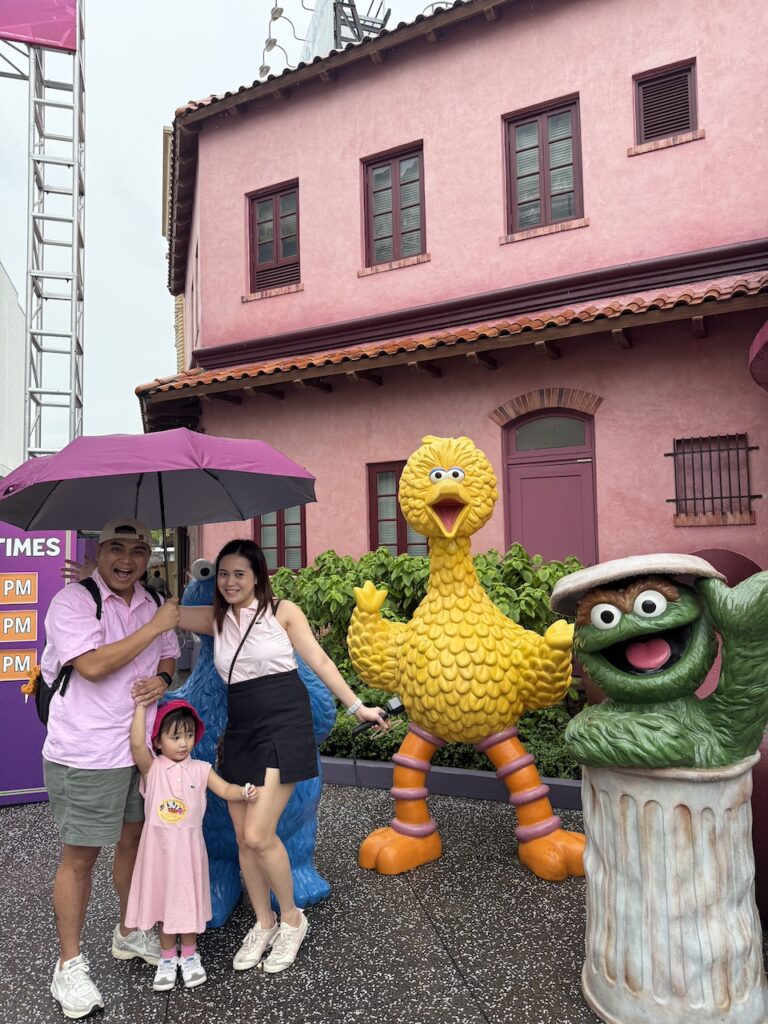
- Sentosa Island: A full day of family fun, with Universal Studios Singapore, Singapore Oceanarium and beaches. Get around by Sentosa Express, beach shuttle, cable car or taxi.
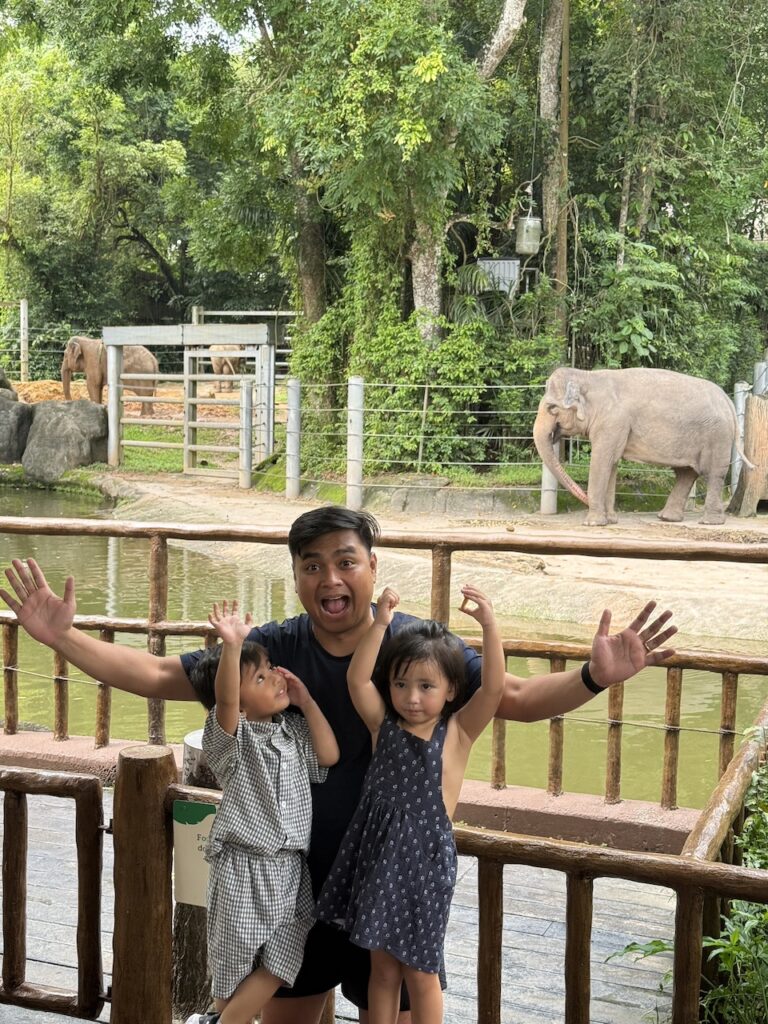
- Singapore Zoo & River Wonders: Great for wildlife lovers. The zoo is known for its open, rainforest-style habitats, and River Wonders is home to Singapore’s giant pandas.
- Science Centre Singapore: Hands-on exhibits and the children’s area KidsSTOP make this an educational activity that still feels like play.
- Singapore Botanic Gardens: A relaxed break from city sightseeing. Explore the open spaces and the National Orchid Garden, and enjoy Singapore’s greener side.
- Marina Bay Sands & the Merlion: Recommended for first-timers. Take in the skyline, see the Merlion and, if your budget allows, head up to the SkyPark Observation Deck.
- East Coast Park: A change of pace from the city. Cycle along the coast, let the kids play and stop for food nearby, just as local families do on weekends.
Click here for more activities to choose from.
For more ideas and activities to add to your itinerary, visit the official Singapore Tourism Board website.
Getting Around: Mode of Transportation
The MRT is Singapore’s train system and, honestly, the best way to get around the island — clean, air-conditioned, and it reaches almost everywhere you’ll want to go. Buses fill in the gaps for shorter or more local routes. For payment, an EZ-Link card (sold at MRT stations and 7-Elevens) or simply tapping a contactless credit/debit card at the gates both work well — we’d recommend the latter for short trips since it skips the top-up hassle. Taxis and ride-hailing apps like Grab are widely used and reliable, especially useful late at night or when traveling with young kids and stroller gear.
Where to Eat in Singapore: Food and Restaurants for Families
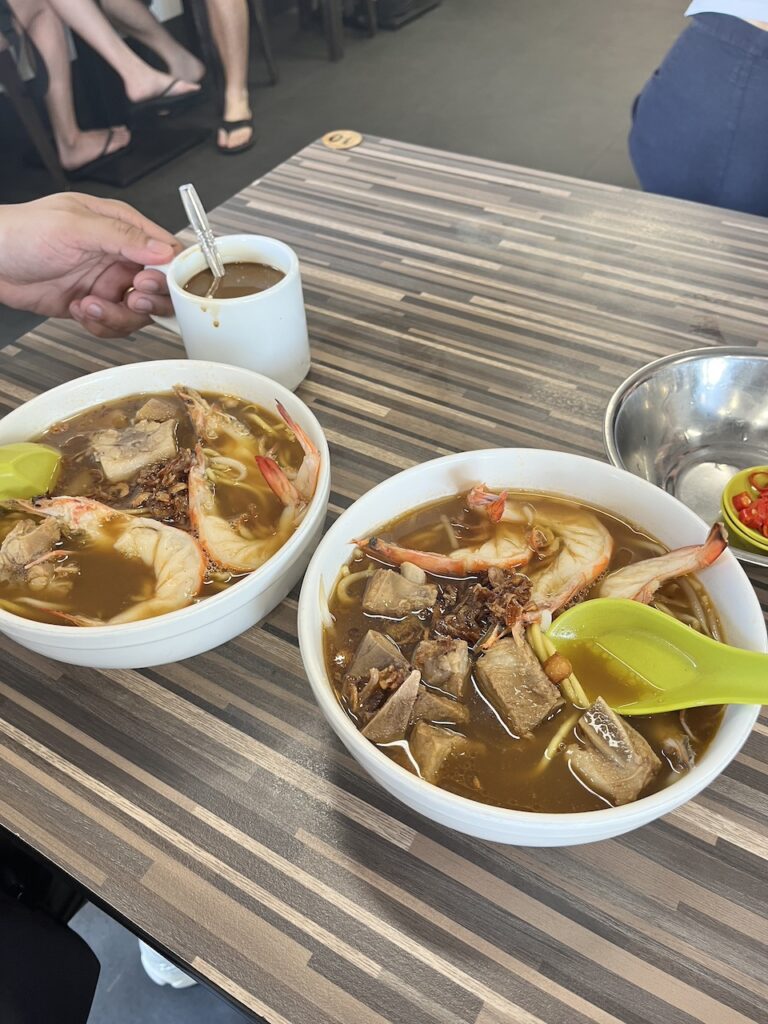
Food is a big part of the Singapore experience, and one of the things we love most is how easy it is to eat well without making every meal a formal restaurant experience. For families, hawker centres are especially convenient because everyone can choose something different, portions are generally easy to share, and the atmosphere is casual enough that you don’t have to worry too much about kids being kids.
Hawker Centres: An Easy Way to Eat Like a Local
You don’t need to plan every meal around a famous stall. Sometimes the best part of eating at a hawker centre is simply walking around, seeing what’s cooking, and choosing whatever looks good.
A few places worth adding to your Singapore itinerary:
- Maxwell Food Centre: One of the most well-known hawker centres for first-time visitors, especially if you want to try Tian Tian Hainanese Chicken Rice.
- Old Airport Road Food Centre — A good choice if you want a more local, food-focused experience. It’s known for classic Singapore dishes such as char kway teow, Hokkien mee and other long-standing hawker favourites.
- Newton Food Centre — A convenient option if you’re around Orchard Road or the city centre. It’s one of Singapore’s better-known hawker centres and a fun introduction to local dishes, particularly for first-time visitors.
- Lau Pa Sat — More than just a place to eat, the historic setting makes this a fun stop during an evening around Marina Bay. Come later in the day when the surrounding Satay Street adds to the atmosphere.
Explore Singapore Through Its Neighborhoods
Some of our favorite food experiences aren’t necessarily at a specific restaurant. Areas like Katong and Joo Chiat are great for wandering, with traditional shophouses, cafés and plenty of opportunities to try Peranakan and local Singaporean food.
If you’re around Little India, make time for a meal or snack at Tekka Centre. It’s another good place to experience Singapore’s multicultural food scene, with Indian, Malay and other local dishes under one roof.
And if you’re staying around Tiong Bahru, the neighborhood is worth exploring for both its cafés and its market and hawker centre. It’s a nice area to visit when you want something slower-paced than the main tourist districts.
Eating in Singapore With Kids
One of the reasons Singapore works so well for family travel is the variety of food. At a hawker centre, one person can have chicken rice, someone else can order noodles, and the kids can usually find something simple like rice, noodles, chicken or a snack.
Hawker centres are generally casual and lively, with plenty of families eating alongside locals. You don’t need to dress up or worry about keeping the kids perfectly quiet. Just find a table, grab some food, and enjoy the experience.
Our tip: Don’t try to eat at every famous hawker centre. Pick one or two that fit naturally into your itinerary and explore the neighborhood around them. You’ll get a much more relaxed experience — and probably eat just as well.
Interesting Events: Unique and Seasonal Tips
Singapore’s multicultural calendar means there’s almost always something happening:
- Chinese New Year (January/February): Chinatown lights up, and the Chingay Parade is a spectacular street parade worth planning a trip around.
- Thaipusam (January/February): a striking Hindu procession through Little India; fascinating to witness respectfully as an observer.
- Deepavali / Diwali (October/November): Little India’s Serangoon Road is strung with elaborate light installations for weeks around the festival; one of the most photogenic free experiences in the city.
- Mid-Autumn Festival (September): Chinatown fills with lantern displays and mooncakes; lovely for an evening walk with kids carrying their own paper lanterns.
- National Day (August 9): fireworks and a military flypast over Marina Bay; expect crowds and road closures if you’re visiting around this date.
- Singapore Grand Prix (F1 Night Race) (September/October): a huge draw for visitors, but also means road closures and higher hotel prices around Marina Bay that week; plan accordingly if it’s not your priority.
- Christmas on Orchard Road (late November–December): Orchard Road turns into a festive light tunnel, a fun contrast to the tropical heat.
eSIM Recommendation: Airalo
Skip the airport SIM card queue and get connected before you land. We’ve used Airalo for years of travel, and for Singapore specifically, it’s a straightforward, affordable way to have data working the moment you land at Changi. Plans typically start around $4 USD for a small data package valid for a few days, up to larger 10–20GB plans running $15–$20 for a couple of weeks.
Travel Insurance
We’re not insurance agents, so this isn’t a recommendation of any specific provider — just a strong nudge to get travel insurance with medical coverage before any international trip, Singapore included. Even though Singapore has excellent (and expensive) private healthcare, an unplanned ER visit or a cancelled flight can get costly fast without coverage. Compare a few providers for trip cancellation, medical coverage, and baggage protection, and make sure the policy explicitly covers any activities you’re planning (water sports, theme parks, etc.).
Sample 4-Day Singapore Itinerary
Day 1: Arrival + Marina Bay Land at Changi, check into your hotel, and ease in with an evening at Gardens by the Bay for the Supertree light show, followed by dinner at Lau Pa Sat.
Day 2: Sentosa Day Full day at Sentosa — Universal Studios or S.E.A. Aquarium, then Palawan or Siloso Beach in the late afternoon. Dinner back near Chinatown or Clarke Quay.
Day 3: Culture + Family Attractions Morning at the Singapore Zoo or River Wonders. Afternoon exploring Little India and Kampong Glam (Haji Lane, Sultan Mosque). Dinner at Old Airport Road Food Centre.
Day 4: Local Life + Departure Slow morning in Katong/Joo Chiat for Peranakan breakfast and shophouse photos, a stop at East Coast Park, then head back via the MRT to Changi Airport for your flight — no traffic stress if you’re staying along the Green Line.
Other Helpful Tips for Families
- Pack light, breathable clothing — Singapore’s humidity is relentless, and most indoor spaces (malls, MRT, museums) are heavily air-conditioned, so a light layer helps.
- Strollers work well on the MRT — most stations have lifts, though peak hours (7:30–9:30am and 5:30–7:30pm) can be crowded.
- Tap water is safe to drink straight from the tap across the island.
- Chewing gum is restricted for sale
- Tipping isn’t expected — most restaurants include a service charge, and hawker centres don’t expect tips at all.
- Public holidays and school holidays (especially around Chinese New Year) mean bigger crowds at major attractions — book Universal Studios and Gardens by the Bay tickets online in advance during these periods.
- Travelling with younger kids — Singapore is easy to explore, but the heat and walking can add up quickly. Pick one or two major attractions each day and leave some room for pool time, playgrounds, or simply stopping for ice cream.
This Singapore travel guide draws on our four years actually living on the island, combined with up-to-date research on flights, hotels, and events. Requirements like visas and entry rules can change, so always double-check current details on official government sites before you travel.