

Tokyo Travel Guide for Families: Best Areas to Stay & Sample Itinerary (2026)
Tokyo has been one of our favorite cities to visit as a family. It’s clean, safe, well-organized, and full of things that genuinely delighted both our us and our toddler. Beyond how beautiful and easy the city is to explore, we also have a sister living there, which is honestly a big reason we keep coming back. It gives us a chance to bond and reunite with her and her husband every once in a while, in between all the sightseeing. But we learned early on that the city is huge, made up of a lot of neighborhoods, and where we chose to base ourselves ended up making a bigger difference to how relaxed each trip felt. This Tokyo Travel Guide for Families pulls together everything we’ve picked up along the way – from flights and bullet trains to the family-friendly neighborhoods, hotel picks, food we keep going back to, events worth timing your trip around, connectivity, insurance, and a full sample itinerary.
Quick-Answer Summary (TL;DR)
- Flight time: Manila–Tokyo ≈ 4.5 hours nonstop; US West Coast–Tokyo ≈ 11–12 hours nonstop; US East Coast usually needs a connection.
- Best areas to stay with kids: Asakusa, Ueno, Shinjuku, and Shibuya; Ginza and Tokyo Station suit families who want central polish; Odaiba and Maihama work well for theme-park-focused trips.
- Recommended hotels: ibis Styles Tokyo Ginza, MIMARU Tokyo Ueno North, Keio Plaza Hotel
- Getting around: Suica/PASMO IC card on your phone + the JR Yamanote Line loop + Tokyo Metro.
- Tokyo to Osaka: Nozomi Shinkansen, about 2.5 hours, roughly ¥14,000–15,000 one-way.
- Esim: Airalo eSIM
- Don’t skip: travel insurance, especially with kids and older relatives traveling along.
Important Information About Tokyo: How to Get There
How to Get to Tokyo From Manila
Tokyo is served by two main airports — Narita (NRT), about 60–90 minutes from the city center, and Haneda (HND), only 20–40 minutes from central Tokyo and the more convenient option for families with young kids or heavy luggage.
The flight from Manila to Tokyo takes about 4 hours 25 minutes, with Philippine Airlines operating the most nonstop flights per week, alongside Cebu Pacific, Japan Airlines, and Philippines AirAsia, landing at either Narita or Haneda.
Booking tip: flights tend to be cheapest when booked around six weeks ahead, and Tuesday and Wednesday departures are typically the most affordable days to fly. If your dates are flexible, flying into Haneda rather than Narita saves at least 45 minutes of transit time with luggage and tired kids.
How to Get to Tokyo From the United States
A nonstop flight from Los Angeles to Tokyo takes roughly 11 hours 30 minutes, flown by ANA, Japan Airlines, Singapore Airlines, United, and ZIPAIR. From the East Coast, expect either a long nonstop (13+ hours from some carriers) or a one-stop connection through a West Coast or Asian hub — for a family with small kids, a single nonstop is almost always worth paying extra for.
Family tip: budget carriers like ZIPAIR can be significantly cheaper but charge separately for meals and baggage. For a family of four, compare the all-in cost against a full-service carrier with included checked bags before booking.
Intercity Travel: Tokyo to Osaka by Shinkansen
If your itinerary includes Osaka, Kyoto, or the wider Kansai region, the Tokaido Shinkansen (bullet train) is by far the best option for families — generous luggage space, and a smoother ride than flying.
| Train | Travel Time | Notes |
|---|---|---|
| Nozomi (fastest) | 2h 21m–2h 30m | Fewest stops; NOT covered by the standard Japan Rail Pass without a surcharge |
| Hikari (mid-speed) | 2h 45m–3h | A few more stops; covered by the standard JR Pass |
| Kodama (local) | 3h 40m–4h | Stops at every station; only worth it for smaller towns |
- Price: a reserved seat on the Nozomi costs roughly ¥14,720 (about $98 USD) one-way; unreserved seats are slightly cheaper.
- Should you get a Japan Rail Pass? Unless you’re taking at least three major long-distance round trips in a 7-day window, buying individual point-to-point tickets is now cheaper than the nationwide JR Pass — especially since the standard pass doesn’t cover the fast Nozomi without an extra fee. For most families doing a Tokyo + Osaka/Kyoto loop, single tickets booked online (via SmartEX or a platform like Klook) work out better value.
Family tip: book a seat on the Mt. Fuji side of the train (seat E, right-hand side heading toward Osaka) so you get a clear view of it on a good day. You’re also welcome to bring food or snacks onboard — many families pick up a bento box before boarding — just make sure to take your trash with you when you get off. Oversized luggage over 160cm in combined dimensions requires a specific reserved seat with a luggage area, so reserve ahead if you’re traveling with big suitcases.
Best Areas to Stay for Families
Tokyo isn’t one downtown — it’s a cluster of neighborhoods connected by the JR Yamanote Line loop and the subway network. The “best” area depends on your priorities (budget, walkability, nightlife tolerance, proximity to Disney), so here’s a broad, well-rounded breakdown of the areas families consistently rate highly, pulled together from seasoned Tokyo travel guides and our own time on the ground.
Asakusa — For a traditional and old-town charm
Old Tokyo, anchored by Senso-ji Temple and Nakamise shopping street. Quieter at night than Shinjuku or Shibuya, with a charming old-town atmosphere, plenty of street food, and good access to Ueno and Tokyo Skytree. A favorite first pick for families who want atmosphere and value over nightlife.
Ueno — For museums, the zoo, and budget value
Anchored by Ueno Park, Ueno Zoo, and several major museums, with the lively Ameyoko Market for affordable meals and shopping. Ueno is a major Yamanote Line hub, generally cheaper than Ginza or Shibuya, and consistently ranks as one of the most kid-friendly, less overwhelming bases in Tokyo. It also offers a direct express train to Narita Airport.
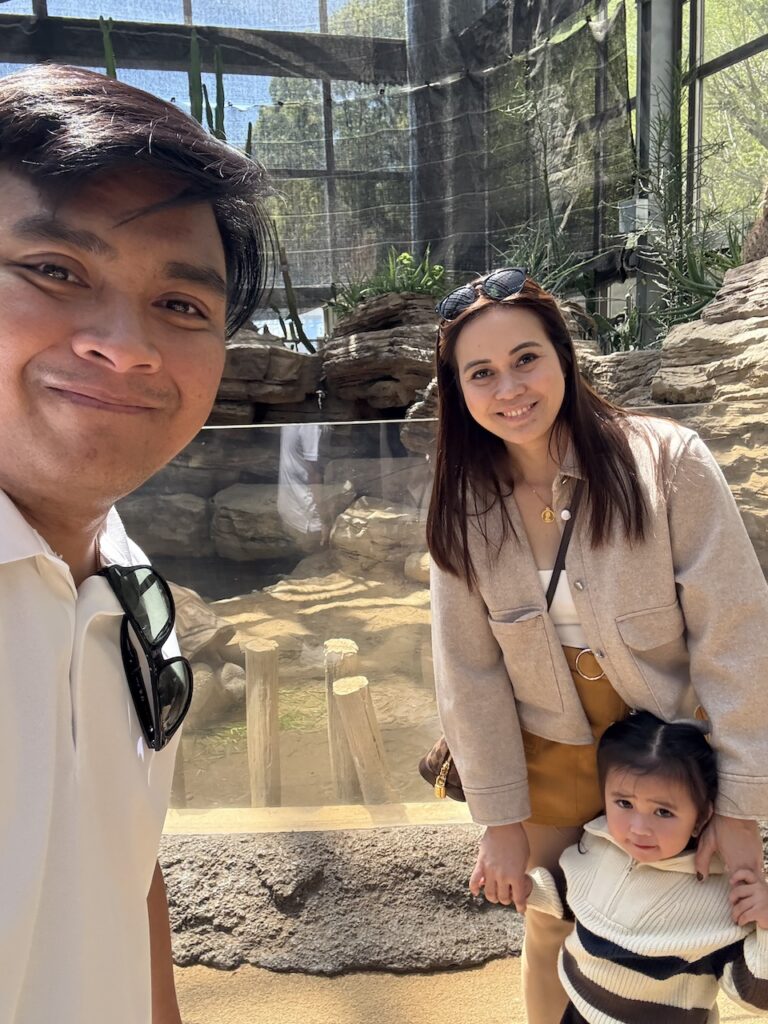
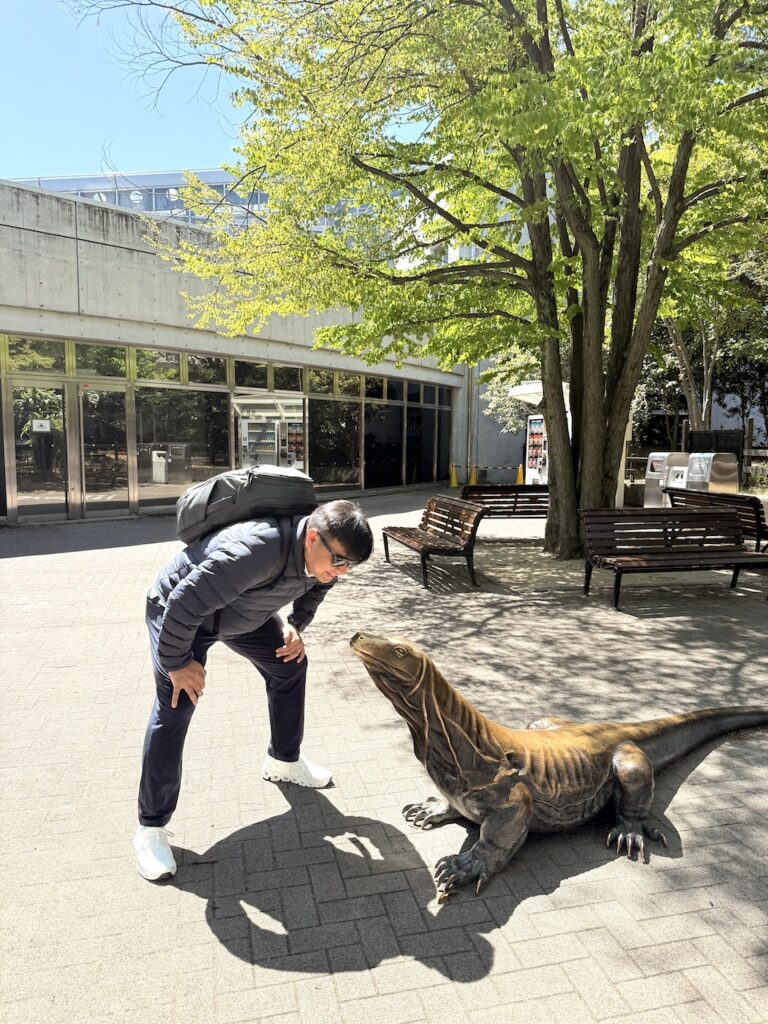
Ueno is one of our favorite areas – it’s right next to Ueno Park, so the pace felt both busy and relaxed at the same time, there’s a ton of good food nearby (Ameyoko especially), and Ueno Station is incredibly convenient since it connects to almost everywhere else in Tokyo.
Shinjuku — For first-timers who want everything nearby
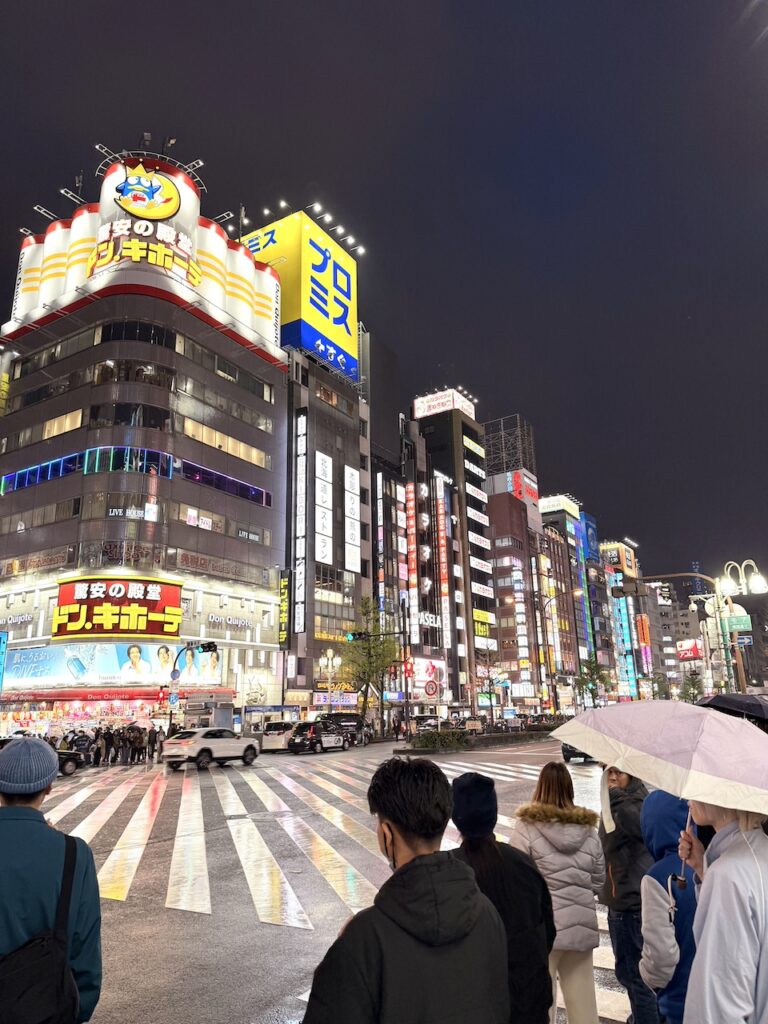
Tokyo’s biggest transport and shopping hub, with huge department stores, countless restaurants, and easy access to day trips like Mt. Fuji and Hakone. It’s also home to Shinjuku Gyoen, one of the city’s best parks. The trade-off: it’s busy, can feel overwhelming with young kids, and the Kabukicho red-light district sits nearby (easily avoided, but worth knowing about).
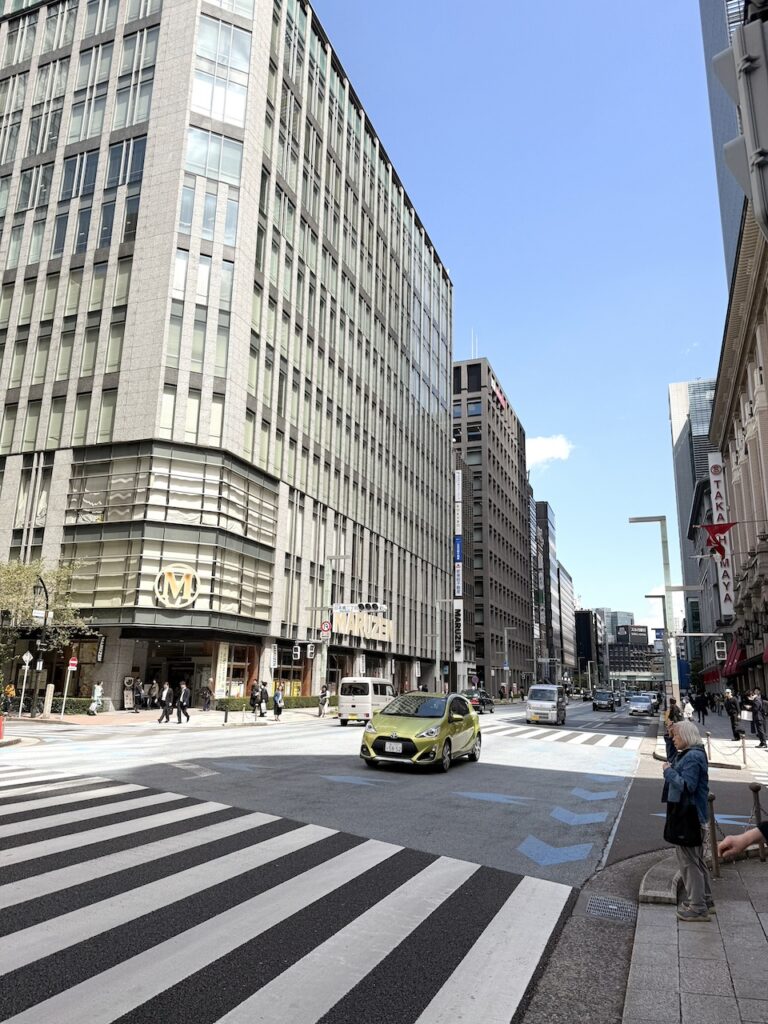
Ginza — For central polish and easy Shinkansen access
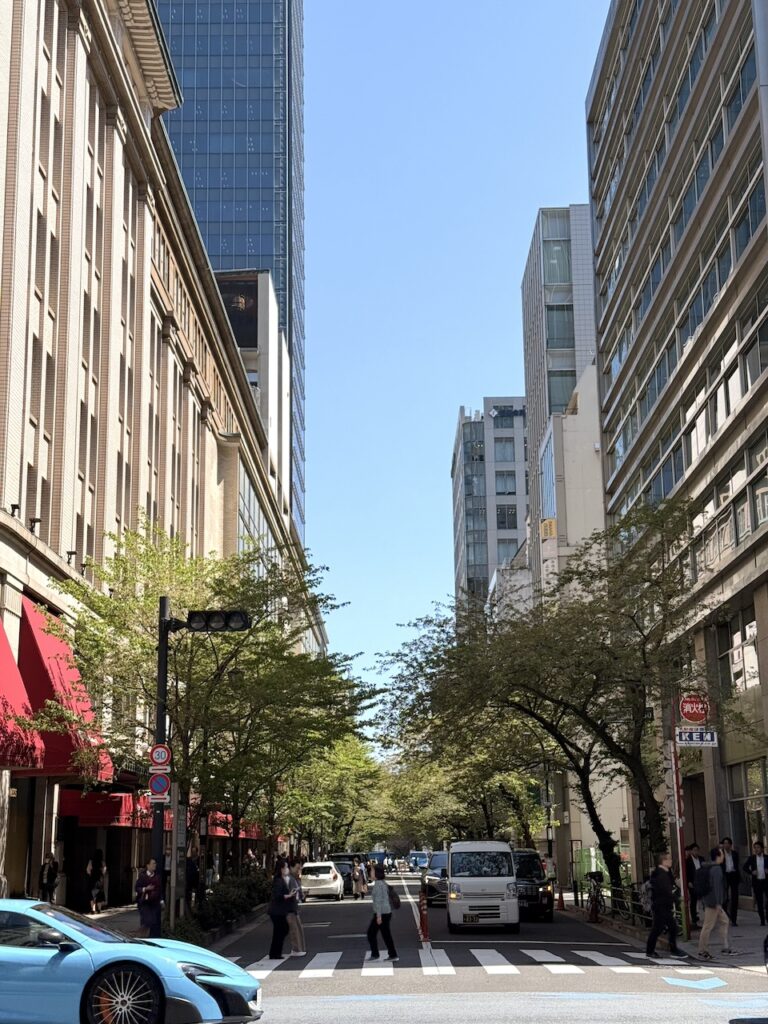
Refined, upscale, and walkable to Tsukiji Outer Market, the Imperial Palace gardens, and Tokyo Station. A great choice for families who want fewer train transfers and don’t mind paying a premium for that convenience.
It was also great when shopping and dining were the priority — it puts you within easy reach of the main shopping streets and some excellent restaurants, though it comes at a slightly higher price point.
Maihama — If Tokyo Disney Resort is the priority
If Disneyland or DisneySea is the centerpiece of your trip, staying near Maihama Station cuts commute time dramatically and lets tired kids get back to the room fast after a long park day.
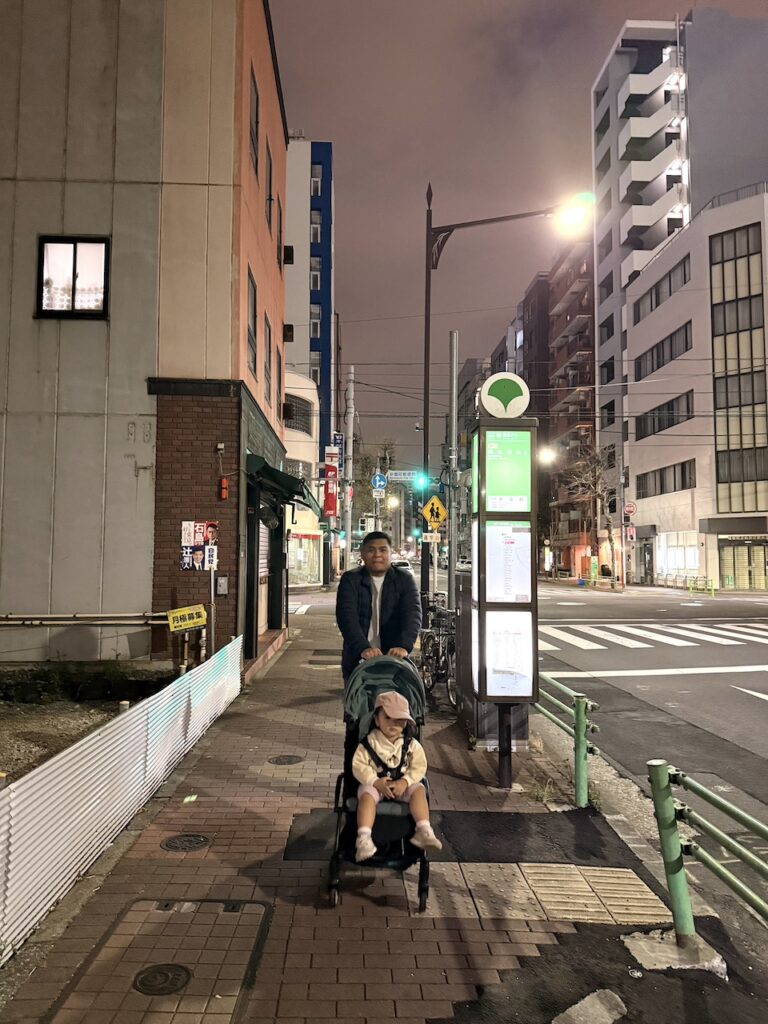
We also stayed at Haneda before which was calm and less busy than anywhere else we stayed — a nice change of pace. That said, we wouldn’t recommend it for first-time visitors, since it’s quite far from the main attractions. We chose it specifically because we wanted a slower, more relaxed stretch toward the end of our trip, not because it’s convenient for sightseeing.
Recommended Hotels by Area
Asakusa
- Richmond Hotel Premier Asakusa International — family-friendly rooms, walkable to Senso-ji.
- OMO3 Asakusa by Hoshino Resorts — directly opposite Senso-ji’s main hall, with a rooftop terrace view of the pagoda and Skytree.
- Mimaru Tokyo Asakusa — apartment-style rooms with kitchenettes, ideal for larger families.
Ueno
- Hotel Resol Ueno — about a minute’s walk from JR Ueno Station.
- Hotel Crown Hills Premier Ueno — opposite Ameyoko Shopping Street, with strong city/Skytree views from corner rooms.
- Koko hotel Ueno (formerly Hotel Wing International Ueno) — a no-frills, well-located option a short walk from Ueno Station and Ameyoko Market; compact rooms but reliable value. (Personal stay: clean, efficient, and easy walking distance to Ueno Park with kids.)
Shinjuku
- Keio Plaza Hotel Tokyo — includes Hello Kitty-themed family rooms.
- Mimaru Shinjuku West — apartment-style rooms with simple cooking facilities, good for spreading out.
- Park Hyatt Tokyo — quieter western Shinjuku, near Yoyogi Park, for families wanting a more upscale, low-key stay.
Ginza
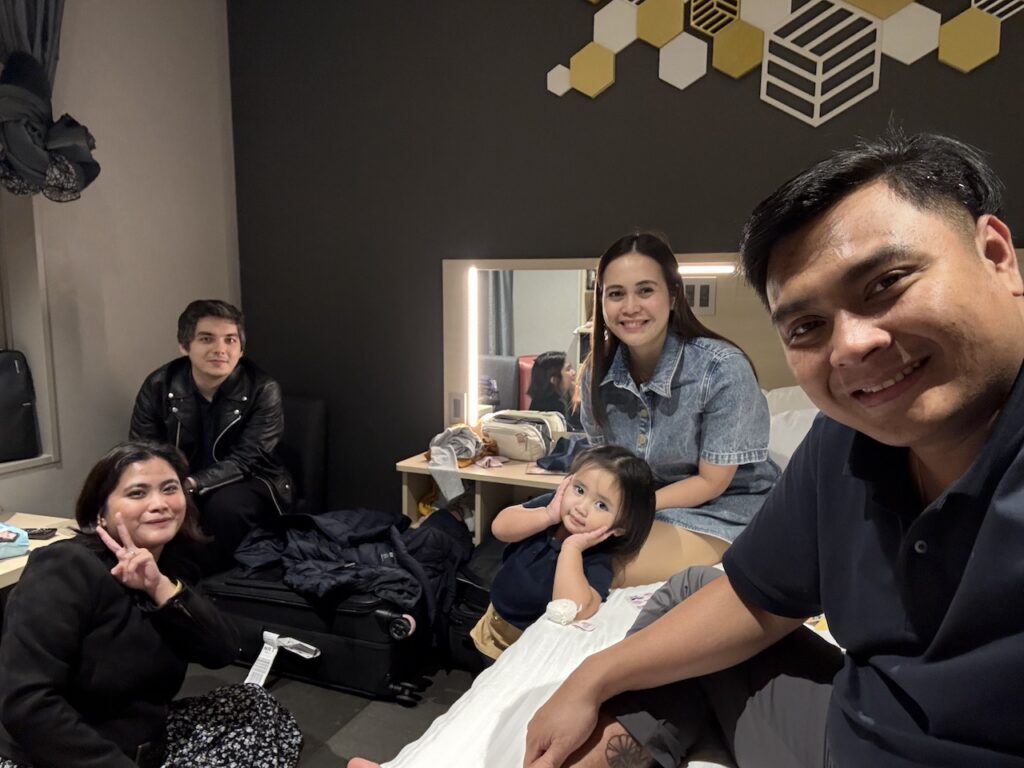
- ibis Styles Tokyo Ginza — bright, modern mid-range pick, easy walk to Ginza’s main shopping streets and a short ride to Tsukiji and the Imperial Palace area. (Personal stay: reliable, well-located, and a good middle ground between budget and luxury.)
- Daiwa Roynet Hotel Ginza PREMIER — practical, comfortable option near Ginza Mitsukoshi and GINZA SIX.
- THE GATE HOTEL TOKYO by HULIC — sits at the junction of Ginza, Yurakucho, and Hibiya.
Maihama (Tokyo Disney Resort)
- Official Disney hotels (Tokyo Disneyland Hotel, Tokyo DisneySea Hotel MiraCosta) for full immersion, or nearby Maihama-area chain hotels for a more budget-friendly Disney base.
Shinagawa / Haneda Airport
- Grand Mercure Tokyo Haneda Airport — directly connected to Haneda’s terminal complex, no shuttle bus or taxi queue needed; larger-than-average rooms, ideal for a final night before an early flight. (Personal stay: the smoothest airport-hotel experience we’ve had in Asia.)
Best Places to Visit & Things to Do With Kids
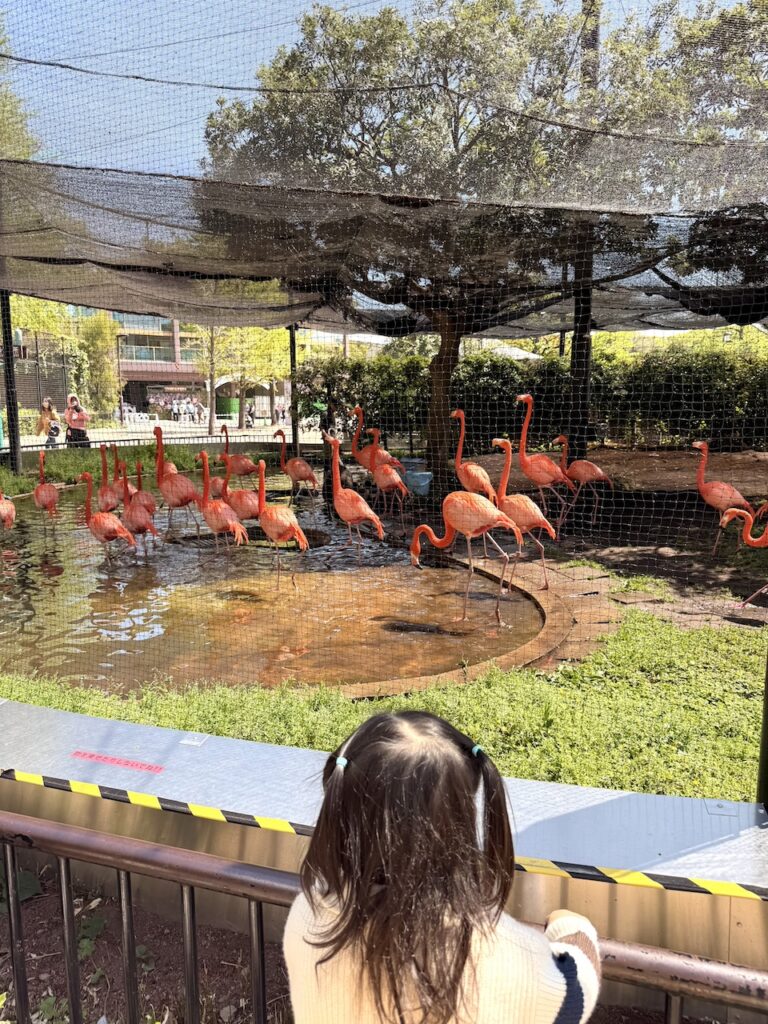
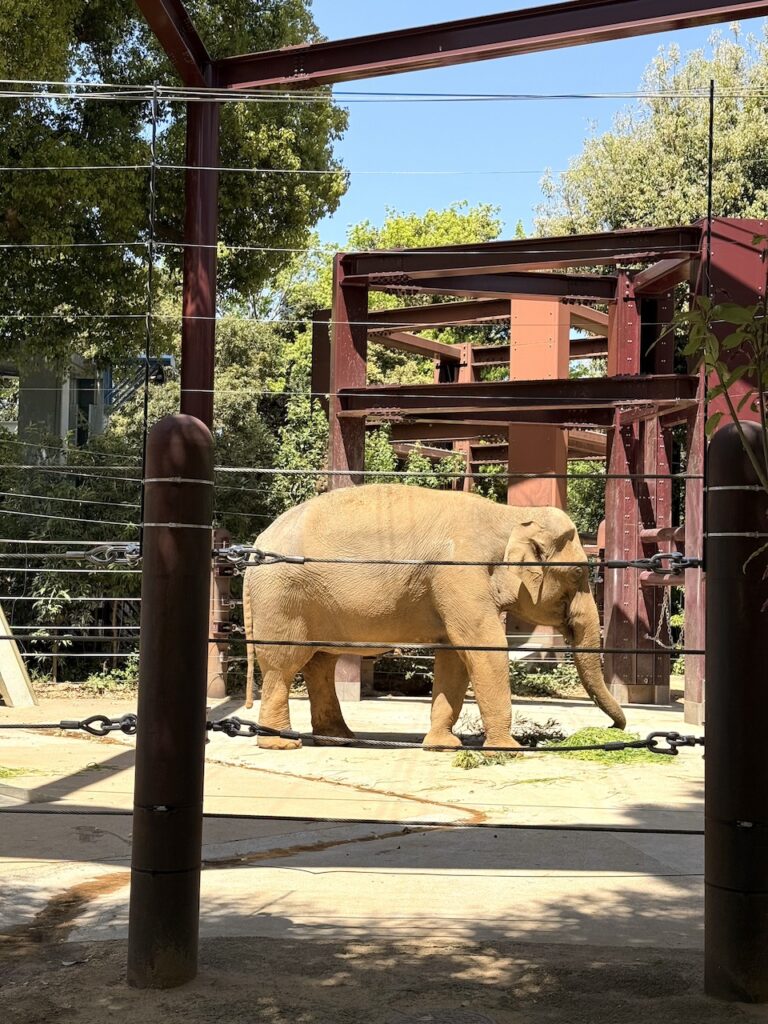
- Ueno Park & Ueno Zoo — Japan’s oldest zoo, home to giant pandas; the surrounding park has museums, a pond, and plenty of open space.
- TeamLab Planets / teamLab Borderless — immersive, walk-through digital art that genuinely captivates kids and adults alike.
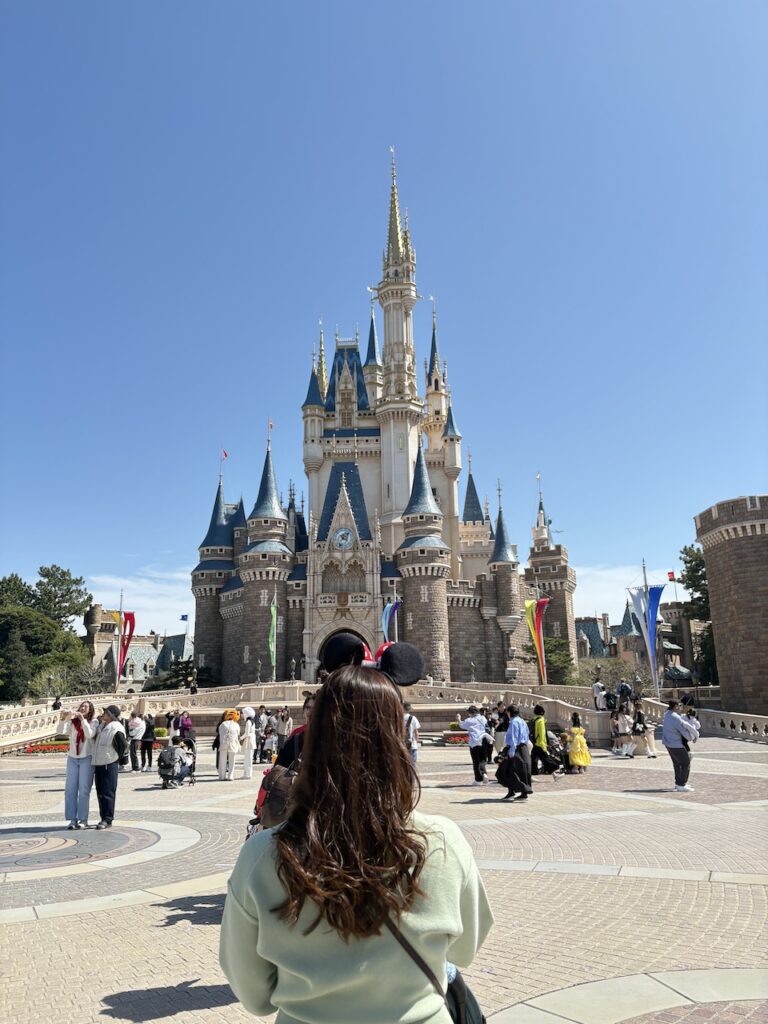
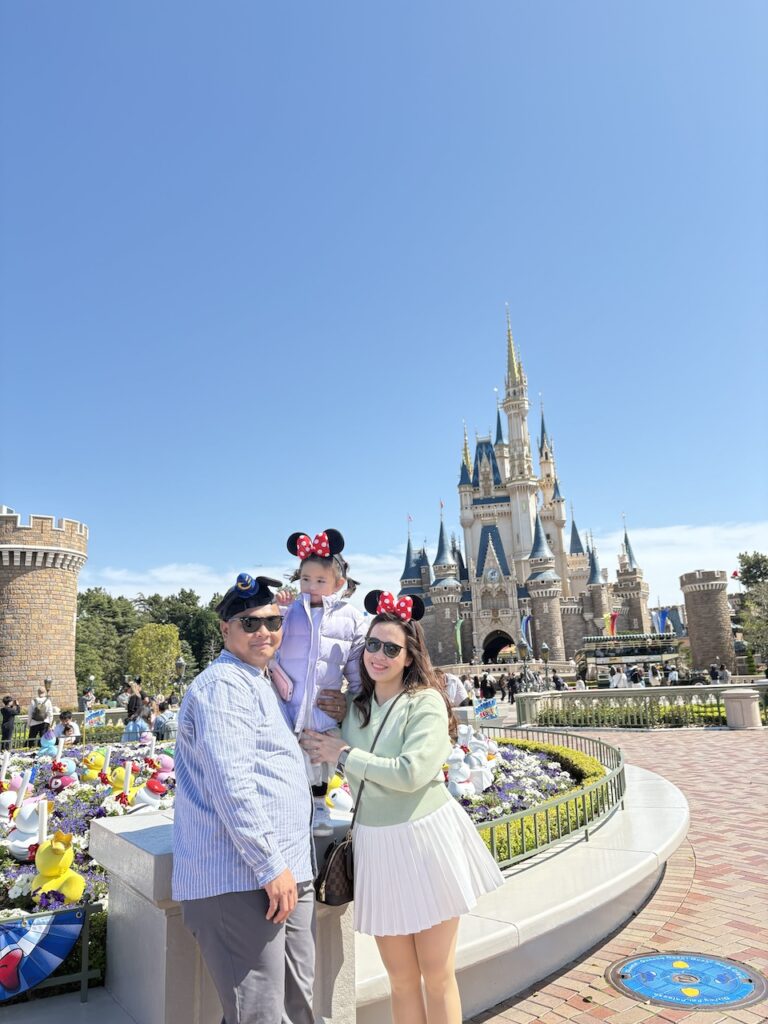
- Tokyo Disneyland & DisneySea — a short train ride from central Tokyo; DisneySea in particular is unlike any other Disney park in the world.
- Tokyo Skytree & Sumida Aquarium — combine the city’s best views with a manageable, indoor aquarium visit.
- Asakusa & Senso-ji Temple — classic Tokyo, with Nakamise shopping street leading up to the temple, full of snacks and trinkets.
- Shibuya Sky & Shibuya Crossing — let kids experience the world’s busiest pedestrian crossing, then see it from above.
- Ghibli Museum / Ghibli Park — a must for fans of Studio Ghibli films.
- Odaiba — futuristic waterfront area with indoor playgrounds, a giant Gundam statue, and shopping malls built for rainy days.
- Yoyogi Park & Meiji Shrine — easy green space near Shibuya/Harajuku for kids to run around between sightseeing stops.
Mode of Transportation
Tokyo’s train network looks intimidating on a map but is easy to use once you’re moving.
- IC card (Suica or PASMO): load it onto your phone or get a physical card and tap in/out of every train, subway, and most buses. This alone removes most of the stress of getting around.
- JR Yamanote Line: a circular line connecting most major neighborhoods (Ueno, Tokyo Station, Shibuya, Shinjuku) — learn this loop and you’ll rarely get lost.
- Tokyo Metro & Toei Subway: fill in the gaps between JR stations; a day pass can be worth it if you’re hopping around a lot.
- Taxis: safe and reliable but pricier; useful late at night with sleeping toddlers or heavy shopping bags.
- Strollers: most stations have elevators, but not always near the exit you want — budget extra transfer time with little ones.
Food & Restaurants: Where to Eat as a Family
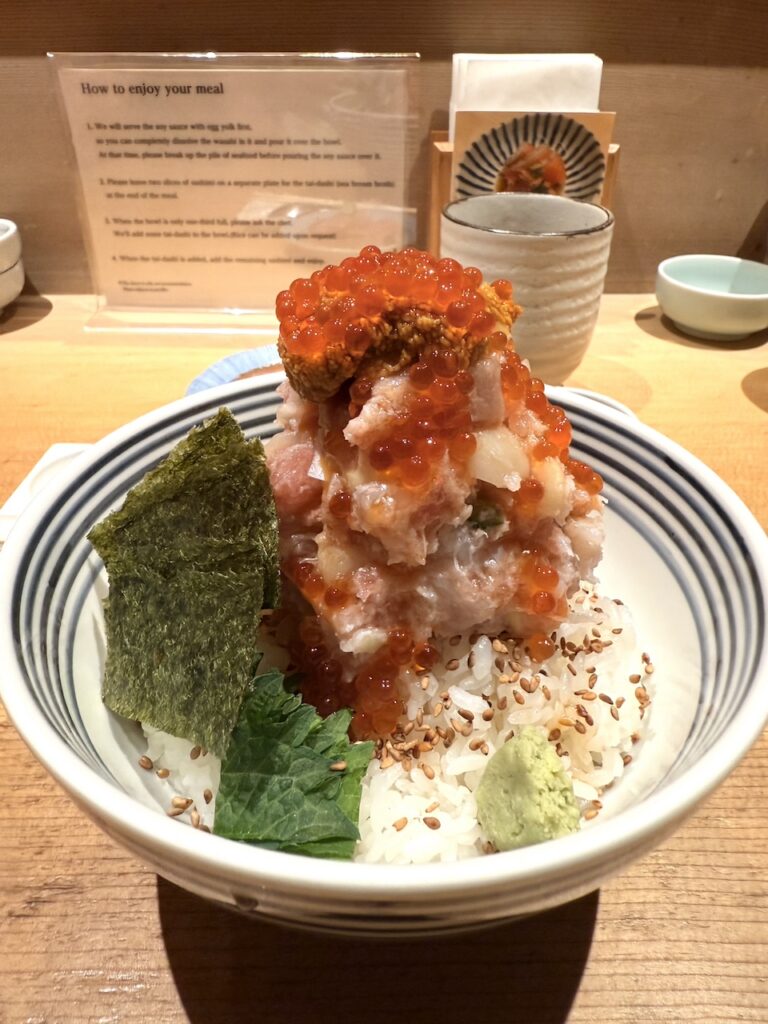
- Conveyor-belt sushi (kaiten-zushi) — chains like Sushiro or Kura Sushi turn dinner into entertainment for kids, with low prices and no pressure to order in Japanese.
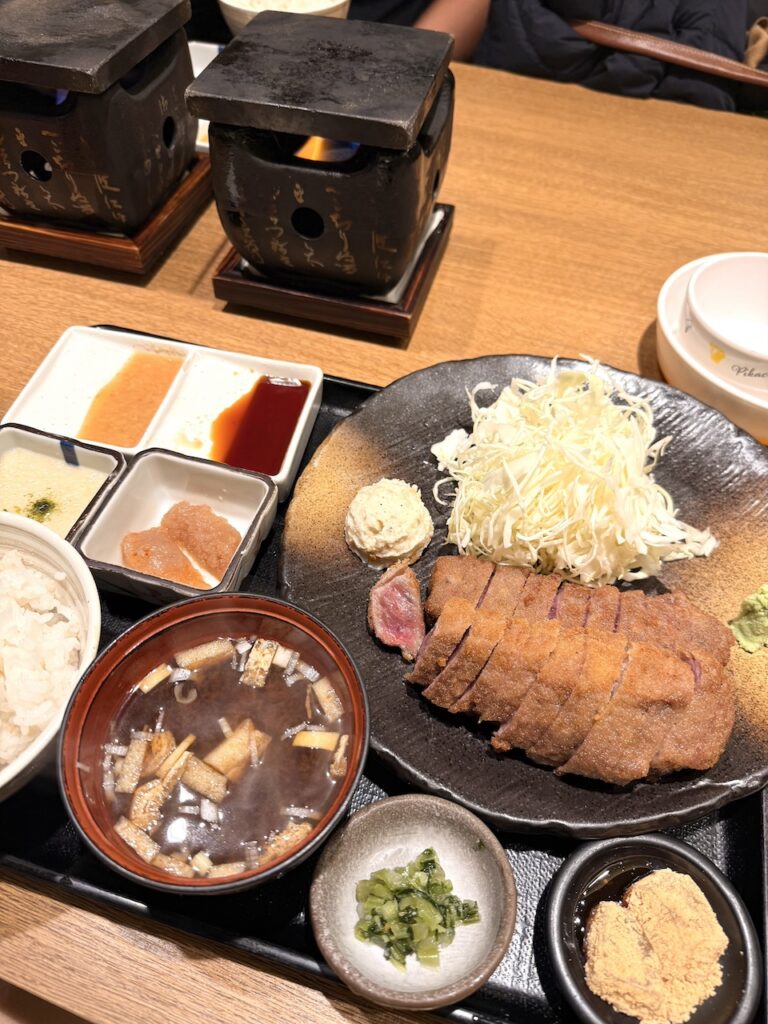
- Gyukatsu Motomura — beef cutlet served on a sizzling stone so you can finish cooking each bite to your liking; a fast, fun, and affordable favorite we order every single time we’re in Japan, with locations across Tokyo (Shibuya, Shinjuku, Asakusa, and more).
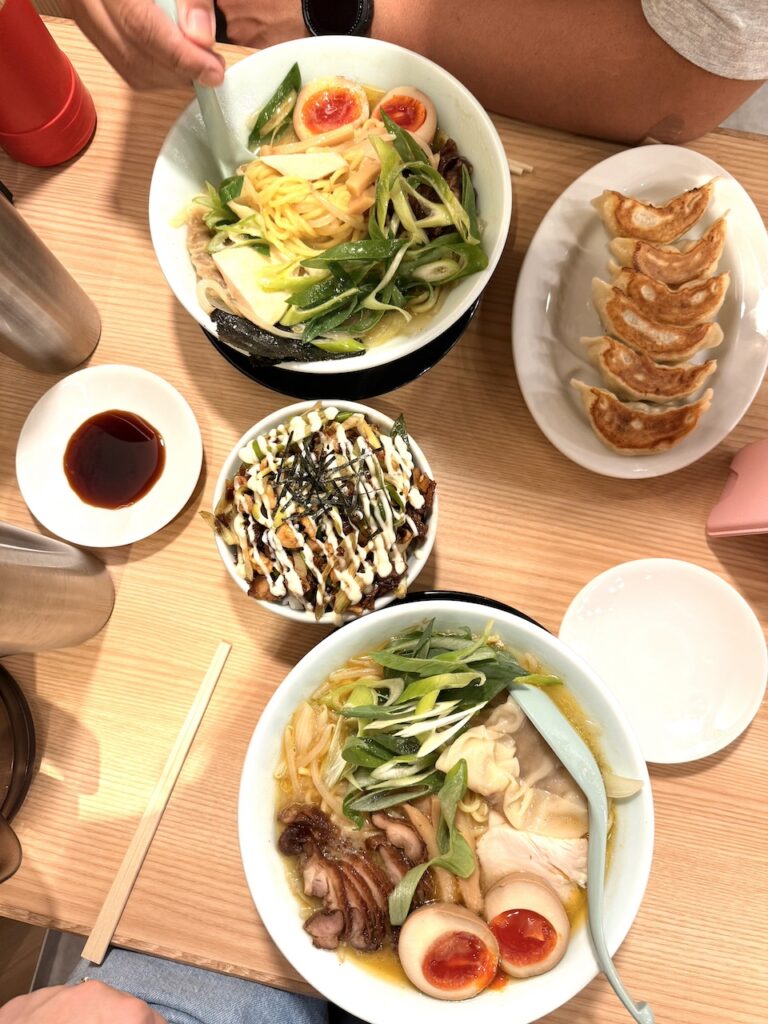
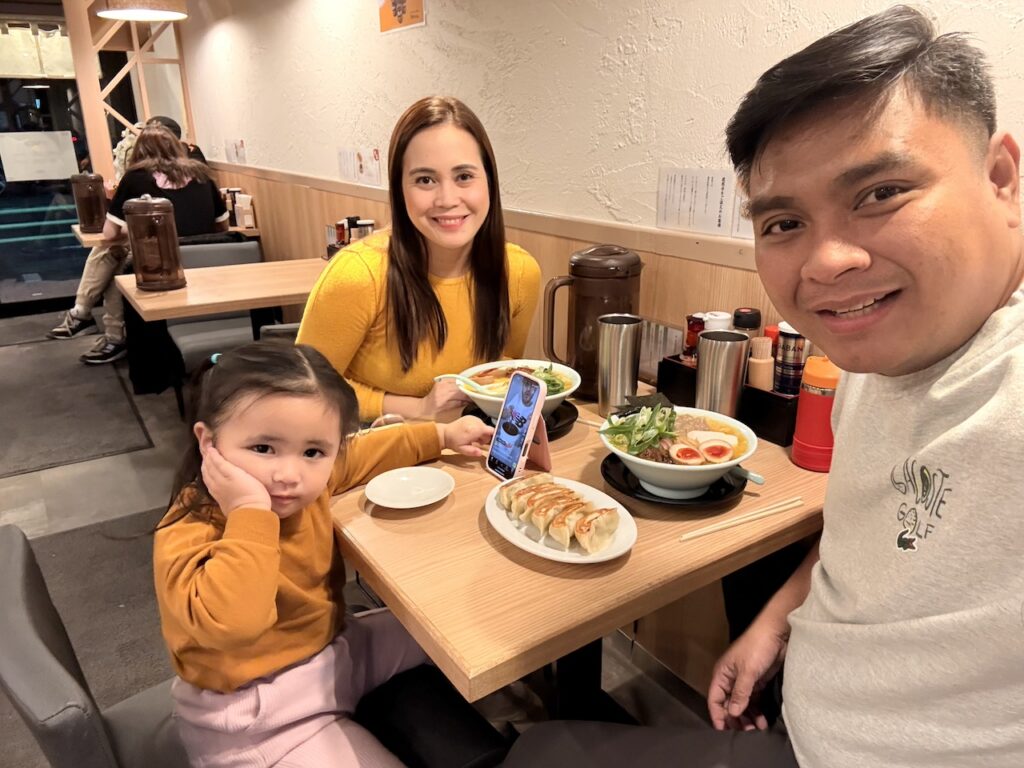
- Ichiran or any standalone ramen counter — order from a vending machine, customize spice and toppings; a fun first “independent” meal for older kids.
- Tsukiji Outer Market — great for an early morning for fresh seafood, tamagoyaki (sweet rolled omelet), and grilled skewers while exploring.
- Ameyoko Market (Ueno) — affordable street food, from fresh seafood to fried snacks and candy.
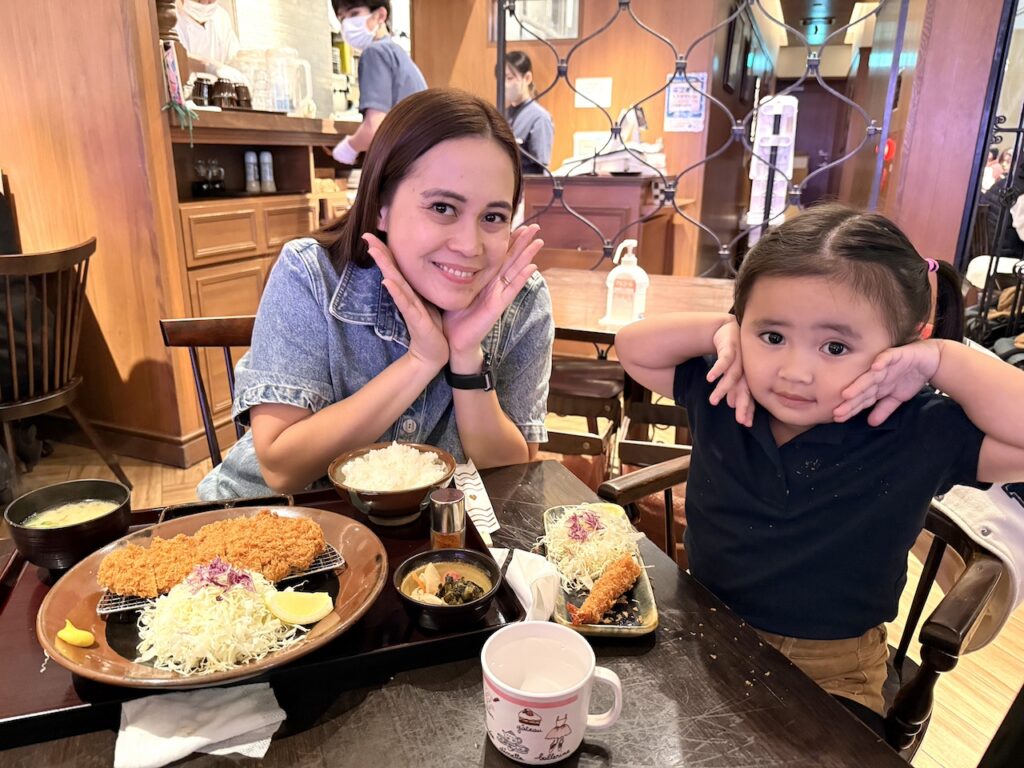
- Family restaurants (famiresu) — chains like Gusto or Saizeriya have picture menus, kids’ sets, and high chairs, and are extremely budget-friendly.
- Convenience stores (konbini) — 7-Eleven, Lawson, or FamilyMart for surprisingly good, cheap meals when kids are tired and you need food fast.
Interesting Events: Unique & Seasonal Tips
Tokyo’s calendar shifts dramatically by season, and timing your trip around an event can turn a good trip into an unforgettable one.
- Cherry blossoms (sakura): late March–early April. Ueno Park holds a dedicated cherry blossom festival, with illuminated night viewing adding a different kind of charm compared to daytime.
- Autumn foliage (koyo): peaks in Tokyo from mid-November to early December, later than most of Japan, with top spots including the golden ginkgo avenue at Meiji Jingu Gaien, evening illuminated viewing at Rikugien Garden, and Shinjuku Gyoen.
- Winter illuminations: the city’s major light displays typically run from mid-November through February, with Marunouchi’s illumination stretching over a kilometer of fairy-lit trees from late autumn through mid-February — a magical, free, and very kid-friendly evening activity.
- Summer festivals & fireworks (hanabi): July–August brings neighborhood matsuri with food stalls, yukata-clad crowds, and large-scale fireworks shows.
Tip: seasonal dates shift slightly every year, so confirm exact dates 1–2 months before your trip on the official venue websites.
Sample 7-Day Tokyo Family Itinerary
Day 1 — Arrival & Settle In Land at Haneda or Narita, install your Airalo eSIM, take the train or Limousine Bus into the city, check in, and keep it light — an early dinner near your hotel and an early night to fight jet lag.
Day 2 — Ueno & Asakusa Morning at Ueno Zoo and Ueno Park, lunch in Ameyoko Market, afternoon at Senso-ji Temple and Nakamise shopping street in Asakusa, dinner back near your hotel.
Day 3 — Odaiba & teamLab Morning at teamLab Planets, lunch at one of Odaiba’s malls, afternoon exploring the waterfront and Gundam statue, evening back at the hotel — a good “low-walking” day for tired legs.
Day 4 — Shibuya & Shinjuku Shibuya Crossing and Shibuya Sky in the morning, lunch in Shibuya, afternoon at Shinjuku Gyoen (cherry blossoms or autumn leaves depending on season), dinner at a family restaurant nearby.
Day 5 — Tokyo Disneyland or DisneySea A full day dedicated to the parks — arrive at opening, use the app to manage ride times, and plan for an early dinner before the evening crowds peak.
Day 6 — A Slow Paced day A relaxed late morning, a visit to a neighborhood you haven’t explored yet (Yanaka’s old-town lanes or a quiet park), an easy lunch, and time to rest before your final full day.
Day 7 — Ginza/Tokyo Station & Departure Prep Morning at Tsukiji Outer Market for breakfast, light shopping in Ginza, transfer to a Shinagawa or Haneda-area hotel for an easy departure the next morning.
Other Helpful Tips for Families
- Cash still matters: Japan is increasingly card-friendly, but smaller restaurants, temples, and local shops often remain cash-only — carry some yen.
- Convenience store ATMs: 7-Eleven ATMs reliably accept foreign cards, even when others don’t.
- Stroller vs. baby carrier: for families with toddlers, a lightweight carrier is often more practical than a stroller on crowded trains and stairs without elevators.
- Public restrooms with baby rooms: most major stations, department stores, and malls have dedicated nursing/changing rooms — look for the “baby room” signage.
- Quiet on trains: phone calls and loud conversations are discouraged on trains; it’s a good norm to model for kids early in the trip.
- Pack light, do laundry: most hotels and many convenience stores nearby offer coin laundry, so you can pack lighter and wash mid-trip instead of overpacking.
- Download Google Translate before you go — you’ll surely need this.
- Pharmacy basics: bring any regular medications with you, since dosages and brand names differ in Japan — drugstores (like Matsumoto Kiyoshi) are a good backup for basics like fever reducers or motion sickness tablets.
- Airalo Esim recommendation: Standard plans come in 3, 7, 15, and 30-day options, starting around 1GB and scaling up to 20GB, and the app makes installation simple. You’re usually online within 15 minutes of purchase.
- Travel Insurance: Travel insurance isn’t required to enter Japan, but for a family trip it’s worth budgeting for — ER visits, lost luggage with kids’ essentials inside, or a sudden flight cancellation can turn expensive fast.
Frequently Asked Questions
What is the best area to stay in Tokyo with kids? Asakusa and Ueno are the most consistently recommended for families thanks to open green space, museums, and relatively quieter evenings, while Shibuya and Shinjuku suit families who want to be in the center of the action.
How do you get from Tokyo to Osaka? The Nozomi Shinkansen is the fastest option at about 2.5 hours, departing from Tokyo Station or Shinagawa Station and arriving at Shin-Osaka Station.